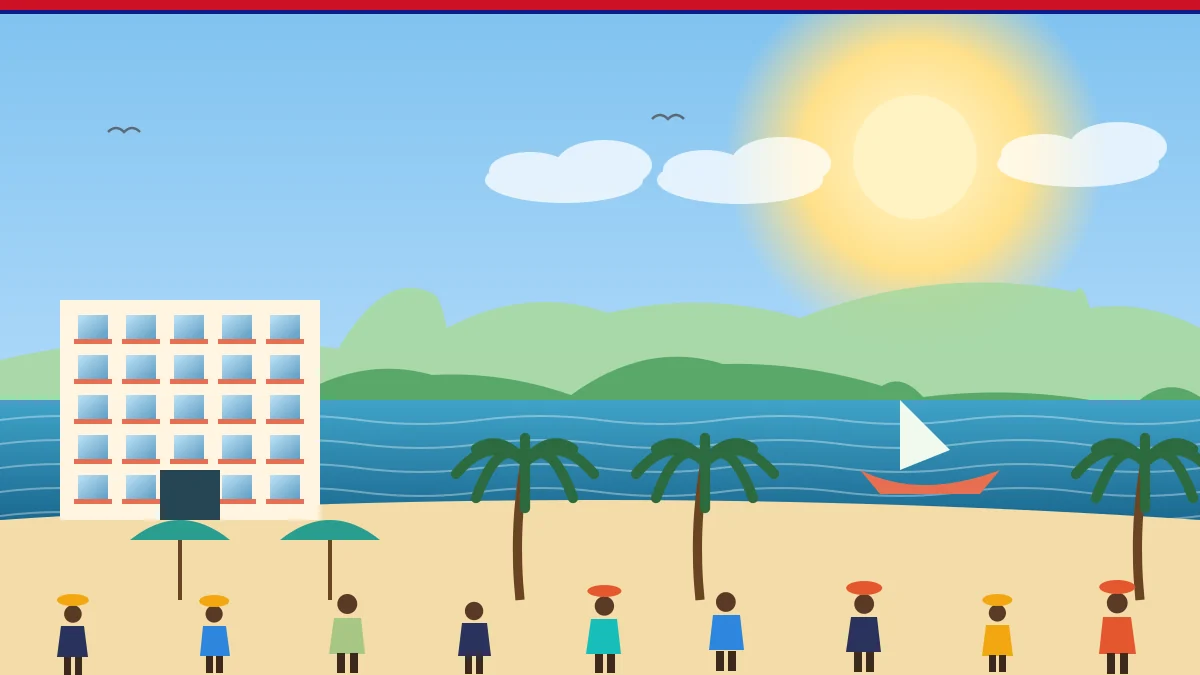
Tourism is one of the largest parts of The Gambia's economy, and one of the least owned by Gambians. The World Bank's Circular Economy Diagnostic estimated tourism's contribution at 14.3% of GDP and 13.5% of employment. It also noted the sector's high reliance on international operators.
The size of the sector is not in doubt. The open question is how much of what visitors spend stays in the country.
A Large Sector With Foreign Gatekeepers
The ground is a tourism economy organised around international distribution. Most visitors to The Gambia buy their holiday as a package from a European tour operator, which bundles flights, hotel and transfers. The operator markets the destination, sells the trip, collects payment in Europe and pays the Gambian hotel a negotiated rate, often well below what the guest paid in total.
Some large hotels are owned or managed by foreign groups. Imported food, drink and supplies serve many of them. Gambian businesses, including small hotels, guesthouses, restaurants, guides, craft sellers and taxi drivers, compete for the share of spending that reaches the ground.
How Value Leaks Out
The mechanism is where money changes hands. When a visitor pays for a package abroad, a large part of the price stays with the operator and airline. The hotel's share is set by contracts in which large operators hold the stronger negotiating position. Hotels then spend part of their receipts on imported goods, foreign management fees and profits paid to foreign owners.
What remains in the country pays wages, local suppliers and taxes. That is substantial, as the 13.5% of jobs shows. But leakage means The Gambia earns less per visitor than the headline figures suggest.
Visitors who book independently, stay in Gambian-owned accommodation, eat in local restaurants and buy local crafts and excursions leave more money in the economy.
What It Means for Business
The consequence for Gambian businesses is that the largest gains come from capturing more of each visitor's spending. Gambian-owned hotels and guesthouses that sell directly online, through booking platforms and to diaspora and regional visitors depend less on operators' rates. Restaurants, excursion operators, cultural experiences and craft businesses can sell to visitors already in the country.
Supplying hotels is another channel. Fresh produce, fish, meat, bottled water, juices, furniture, textiles, laundry and maintenance can all be sourced locally instead of imported, if quality and reliability are consistent.
Training and promotion of Gambian staff into management reduces reliance on expatriate managers and keeps more salaries at home.
The All-Inclusive Effect
All-inclusive packages, in which meals, drinks and activities are included in the price, are popular with tour operators and visitors, but they limit spending outside the hotel. Guests who have already paid for everything have less reason to eat in local restaurants, take local excursions or shop in markets.
That reduces the share of tourism spending that reaches small Gambian businesses. Hotels offering all-inclusive packages can still buy locally, but the wider informal tourism economy of guides, taxi drivers, craft sellers and restaurants gains less.
Balancing all-inclusive offers with experiences that encourage guests to explore, such as excursions, cultural visits and dining out, can spread more spending across the economy.
Building Gambian Ownership
Raising Gambian ownership of tourism businesses requires capital, skills and market access. Gambian entrepreneurs often lack the finance to build or acquire hotels, and banks are cautious about lending to the sector at high interest rates. Development finance, diaspora investment and partnerships with international operators can help fill the gap.
Skills matter too. Training Gambians for management and ownership roles, through hospitality schools and mentoring, builds the capability to run larger businesses.
Market access is the third element. Gambian-owned businesses need ways to reach visitors directly, through online booking platforms, social media and relationships with smaller tour operators who specialise in authentic, locally run experiences.
The government can support local ownership through tourism policy, including reserving some activities for Gambian businesses and encouraging partnerships. For the sector as a whole, greater local ownership would keep more of the value of tourism in the country and spread its benefits more widely.
Policy can shift the balance. Rules that encourage hotels to source food and services locally, training programmes that prepare Gambians for management roles, and support for Gambian entrepreneurs to access finance all increase local capture. The tourism authorities and development partners have supported such efforts, and their scale will determine how much the sector's value stays at home.
Capture More of the Spend
The decisive point is that tourism's economic weight in The Gambia is large, but local capture can grow. Gambian operators should build direct sales and target markets beyond the package trade.
Suppliers should organise to meet hotels' standards. Hotels, under pressure to show their local impact, gain by buying Gambian. A sector worth 14.3% of GDP has plenty of room for more of that value to stay at home.