Sierra Leone has found a way to remove the biggest barrier to tourism investment: the cost of building. In late October 2025 the government invited private operators to lease three eco-tourism sites on which it has already completed the infrastructure. Operators would invest only in running the businesses.
"We have fully de-risked these projects by completing all strategic infrastructure investment," said Nabeela Tunis, a minister in the government, at the launch. For tourism investors, the offer changes the arithmetic of entering the market.
Three Sites, Already Built
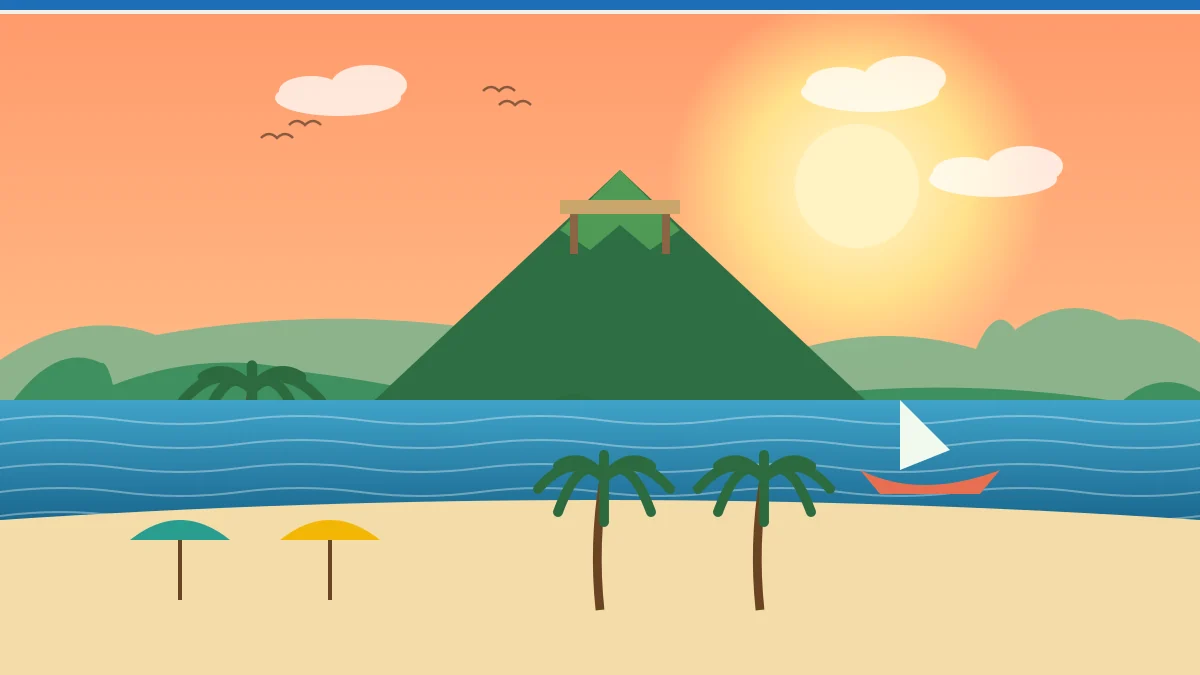
The ground is three locations near Freetown and on the Western Area Peninsula. At Bureh Beach, known for surfing, the government has built a surf club, jetty, boardwalk and market sheds. At Leicester Peak, overlooking the capital, it has built a 2.5-kilometre access road and a 1,700-square-metre platform. At Tacugama, home to a well-known chimpanzee sanctuary in the forest above Freetown, it has developed an innovation centre.
The infrastructure was funded by the government with the World Bank through the Sierra Leone Economic Diversification Project. A webinar for prospective investors followed on 4 November 2025.
How the Lease Model Works
The mechanism is a split between capital and operations. In most tourism projects, the investor must pay for access roads, utilities, buildings and other infrastructure before earning anything, which is costly and risky in a new destination. Here the state has carried that cost.
Operators take operations-only leases. They fit out and run restaurants, accommodation, surf schools, viewing facilities and experiences, and pay the state for the right to do so. "With a $0 Capital Investment model, the primary financial barrier to entry is eliminated," said Dr Mohammed Jalloh, who presented the opportunity.
For the state, the model brings in operators with tourism expertise and generates lease income and jobs from infrastructure it has already paid for.
What It Means for Business
The consequence is a lower-risk entry point into Sierra Leone's tourism market. Hospitality operators, surf and adventure businesses, eco-lodge developers and food and beverage companies can bid for sites without large upfront capital. Their risk is mainly operational: attracting visitors and running the business well.
Sierra Leone's tourism remains small, which is both the risk and the opportunity. The country has beaches, forests, mountains and wildlife close to the capital, and few established competitors. Operators who build a brand early could lead a growing market.
Local suppliers of food, transport, guiding and crafts can serve the sites once they open.
What Operators Need to Succeed
A ready-built site removes the capital cost, but operators still need to attract and serve visitors. Sierra Leone's tourism market is small, and international arrivals are limited by air connections, costs and perceptions of the country. Operators will need to market their sites actively, to international visitors, the diaspora, expatriates in Freetown and the growing domestic market.
Service quality will be decisive. Visitors to eco-tourism sites expect clean facilities, reliable food and drink, safety and knowledgeable guides. Training staff and maintaining standards are the operators' responsibility.
Utilities are another consideration. Power and water at the sites need to be reliable, which may require investment in solar and storage. Waste management is essential for sites marketed on their natural beauty.
Why the Model Could Spread
The lease model offers lessons beyond these three sites. Governments seeking to develop tourism often struggle to attract private investors to unproven destinations, because the upfront cost of infrastructure is high and the return uncertain. Separating the infrastructure, funded publicly or by development partners, from operations, run privately, lowers the barrier.
If the first leases succeed, Sierra Leone could apply the same approach to other sites, including beaches, islands, forests and heritage locations. Other countries in the region with untapped tourism assets could follow.
For the government, success depends on choosing capable operators, setting fair lease terms and monitoring performance. For investors, early participation offers a chance to establish a brand in a destination with significant potential and little competition. The communities around the sites stand to gain jobs and markets for local goods, if operators source locally and hire from nearby.
The lease model also spreads risk in a useful way. The state, which can borrow on concessional terms, carries the infrastructure cost. Operators, who understand hospitality markets, carry the operational risk. Each takes the part of the risk it is best placed to manage. If visitor numbers grow, both gain: operators through revenue, and the state through lease income, taxes and jobs.
Bid for the Built Sites
The decisive point is that Sierra Leone has taken on the capital cost of three tourism sites and is offering them to operators. Investors with hospitality and eco-tourism experience should examine the lease terms and the visitor potential of each site.
Local businesses should prepare to supply the operators. If the model works, it could become the template for further tourism development in the country.