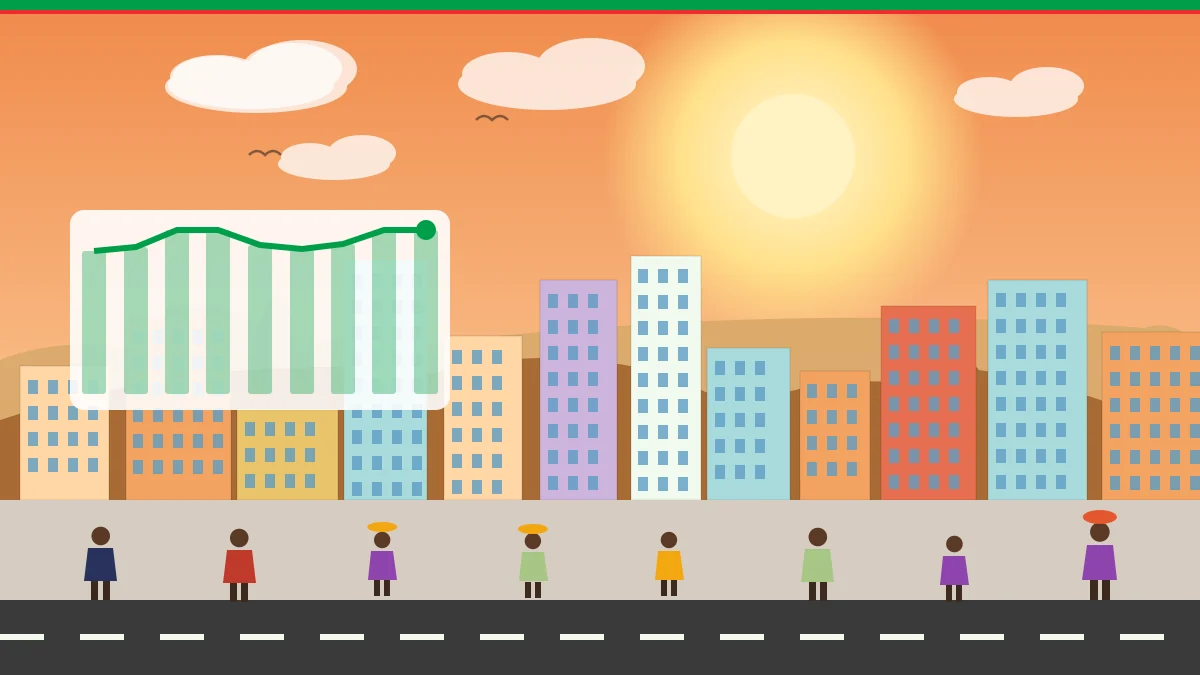
Burkina Faso's economy kept growing in 2023, though not through its main export. The World Bank's June 2024 reports put growth at 3.2%, driven mainly by services, while insecurity held back mining.
For businesses, that split shows which parts of the economy can still grow when security is poor, and which cannot.
Growth Without Gold
The ground is an economy built on gold and farming that has been under severe security pressure. Armed groups have been active across large parts of the country, displacing more than two million people, closing schools and health centres, and disrupting roads and markets. Industrial gold mines in affected regions have faced attacks, supply problems and closures.
Gold is Burkina Faso's largest export and a major source of public revenue, so a weaker mining sector matters. But services, including trade, transport, telecoms, finance and public administration, grew enough to keep the economy expanding.
Why Services Held Up
The mechanism is location and mobility. Services are concentrated in cities, above all Ouagadougou and Bobo-Dioulasso, which are more secure than rural mining regions. Telecoms and financial services operate largely through networks rather than through roads to remote areas. Public spending, including on security and the needs of displaced people, has supported activity in administration and related services.
Displacement also concentrates demand. Large numbers of people moving into towns raise demand for food, housing, transport and mobile services there, even if their incomes are low.
Mining works the other way. Mines are in remote areas, depend on long supply routes for fuel, explosives and equipment, and need large, exposed workforces. Insecurity raises costs, interrupts supply and can stop production entirely.
What It Means for Business
The consequence is that opportunities in Burkina Faso have moved toward secure urban markets and network businesses. Retail, telecoms, mobile money, banking, logistics within and between major cities, and services for public institutions and aid programmes have the most stable demand.
Businesses linked to mining face higher risk. Suppliers to mines must price for disruption, security costs and delayed payment. Rural trade and agricultural supply chains in affected regions are harder to operate.
Public finances are also under strain. Lower mining revenue and heavy security spending leave less room for other spending, which affects government contractors.
How Insecurity Reshapes the Economy
Insecurity in Burkina Faso affects the economy in many ways. It displaces people from rural areas, reducing farm output and increasing pressure on towns. It closes schools and health centres, affecting human capital. It disrupts roads and markets, raising the cost of moving goods. It diverts public spending toward defence and humanitarian needs.
For mining, insecurity raises costs and risks. Some mines have had to suspend operations or reduce activity, rely on air transport for staff and supplies, and invest heavily in security. Artisanal mining sites in insecure areas may be controlled or taxed by armed groups.
For businesses across the economy, insecurity is a cost that must be factored into planning, from insurance and security to supply routes and staff safety.
The Role of Public Spending
Public spending has supported services growth in Burkina Faso. The government has increased spending on defence and security, on support for displaced people and on public services. That spending supports demand in administration, construction, transport and supply of goods.
But it also puts pressure on the budget. Revenue from mining has been affected by insecurity, and external financing has been constrained by political tensions with some partners. The government has had to balance security needs with other priorities.
For businesses, public spending is a source of demand, but one that depends on the state's ability to finance it. Suppliers to the government should monitor the budget and payment performance. Firms serving security-related needs, such as supply of food, fuel, vehicles and equipment, may find steady demand, while those dependent on other public investment may face cuts. The balance of public spending will continue to shape which parts of the economy grow.
The financial sector has also adapted. Banks and mobile-money operators have extended services in the main cities, and digital payments have grown. In insecure areas, where banks have closed branches, mobile money provides a way for people to receive and send money. For financial firms, that has meant growth even in a difficult environment. For consumer businesses, the lesson is to follow the movement of people and money into the secure towns.
Position Where Activity Holds
The decisive point is that Burkina Faso's economy is growing where it is secure and connected. Firms should focus on urban markets, digital and financial services, and supply chains between major cities, and price rural and mining exposure for disruption.
Watch security conditions around the main mining regions and transport corridors. Changes there will decide whether gold returns as a growth driver or services must keep carrying the economy.