Follow the capital, not the metal: how Uganda Airlines’ ten-aircraft Boeing order is financed decides its currency risk, bankability and who pays.
africe thinks here
On-the-ground business intelligence in the Sahel of Africa, since October 2026.
Section
Follow the capital, not the metal: how Uganda Airlines’ ten-aircraft Boeing order is financed decides its currency risk, bankability and who pays.
As the IMF backs resilient growth and the DRC’s first Eurobond, a look at funding structure, currency risk and whether Congolese firms can enter the stack.
The DRC’s first Eurobond, welcomed by the IMF alongside resilient growth, widens financing options for infrastructure and reprices frontier African debt.
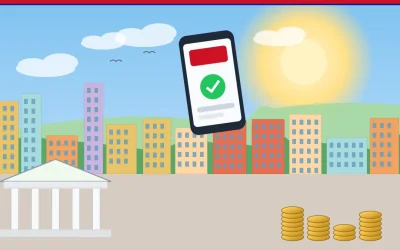
Remittances to The Gambia rose 12.4% to US$872.1 million in 2025, lifting reserves to 4.5 months of imports. The diaspora now outweighs foreign investors.
South Sudan’s Nimule e-permit reform re-dates working capital along the corridor, turning a border delay into a balance-sheet event and a lending opportunity.
The World Bank traces Sierra Leone’s repeated growth volatility to concentration in capital-intensive extractives and volatile export markets. When ore prices move, the whole economy moves with them.
Niger raised CFAF 12 billion in a 350-day Treasury bill in September 2025, and Burkinabè investors took more than CFAF 10 billion. The Sahel alliance is funding its own.
Guinea’s tax revenue averaged 12.8% of GDP in 2016-2023, below the 15% the World Bank links to long-term growth. The gap limits what the state can build and pay.
Guinea-Bissau’s inflation is close to 1%, but public debt is near three-quarters of GDP and bad loans topped 22% in June 2025. Calm prices sit on strained books.