Electricity in Burkina Faso is both scarce and expensive. The World Bank's 2025 Economic Update, devoted to energy, found that electricity access is well below the regional average. Generation costs are among the highest in the region, and the system relies heavily on imported fuels.
For businesses, power is one of the largest costs and one of the biggest constraints on growth.
Scarce and Expensive Power
The ground is a power system that reaches too few people at too high a cost. Most Burkinabè outside the main cities have no grid connection. In the towns that do, supply is often unreliable, especially in the hot season when demand peaks. Many firms run their own diesel generators as backup, adding to costs.
The national utility, SONABEL, generates much of its power from thermal plants burning imported heavy fuel oil and diesel. It also imports electricity from neighbours, including Côte d'Ivoire and Ghana. Solar capacity has been growing, but from a small base.
Why Costs Are So High
The mechanism is fuel. Burkina Faso is landlocked and has no oil of its own, so fuel for power plants travels long distances by road from coastal ports. Transport costs, world oil prices and exchange rates all feed into the price of each kilowatt-hour. Small, oil-fired plants are also less efficient than large modern ones.
High costs create a trap. If tariffs are set below cost to keep power affordable, the utility loses money, the government must subsidise it, and there is little left to invest in new capacity or extending the network. If tariffs rise to cover costs, many households and firms cannot afford power. Either way, access grows slowly.
Insecurity has added to the difficulty, raising the cost and risk of building and maintaining infrastructure in parts of the country.
What It Means for Business
The consequence for business is high operating costs and unreliable supply. Manufacturers, processors and cold-chain businesses, which need steady power, face the greatest disadvantage. Many run generators, paying even more for fuel. Expansion outside the main cities is limited by lack of grid access.
It also defines the opportunity. Burkina Faso has strong solar resources. Utility-scale solar plants, solar with battery storage, captive solar for factories and mines, and off-grid systems for rural households and businesses can all deliver power more cheaply than imported fuel over time.
Energy-efficiency equipment, solar pumps for irrigation and productive-use appliances add further markets.
The Regional Power Connections
Burkina Faso imports a significant share of its electricity from neighbouring countries, including Côte d'Ivoire and Ghana, through cross-border transmission lines. Imported power, generated from hydro and gas in those countries, is often cheaper than power from Burkina Faso's own oil-fired plants.
The West African Power Pool aims to build a regional electricity market, linking national grids and allowing countries to trade power. More interconnections would give Burkina Faso access to cheaper power from the region and improve reliability.
But imports depend on neighbours having surplus power to sell, and on stable relations. When neighbouring countries face shortages, as Côte d'Ivoire did in 2021, exports can be cut, leaving Burkina Faso short.
Solar as a Solution
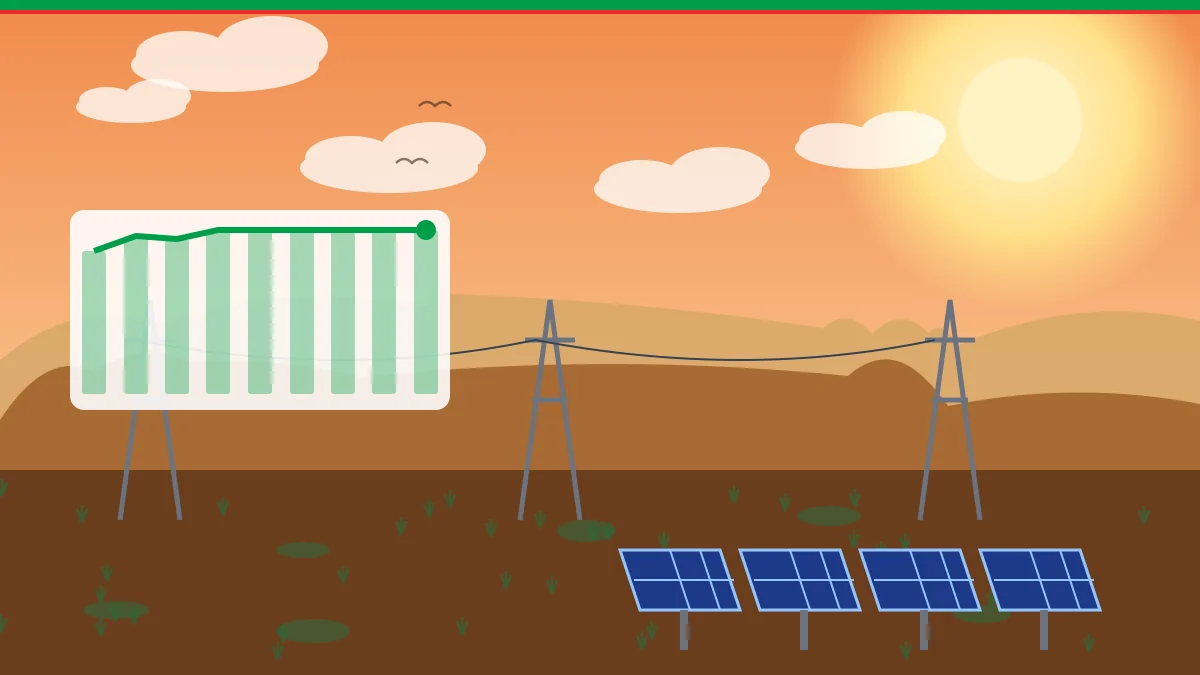
Burkina Faso has some of the best solar resources in the world, with high levels of sunshine throughout the year. The country has built several solar plants, including one of the largest in West Africa at Zagtouli near Ouagadougou, and has plans for more.
Solar power costs have fallen dramatically over the past decade, making it cheaper than oil-fired generation in many cases. Combined with battery storage, solar can provide power in the evening and smooth fluctuations.
For businesses, solar offers a way to reduce electricity costs and improve reliability. Rooftop and ground-mounted solar systems for factories, mines, hotels and commercial buildings can pay back quickly against grid and generator costs. For investors, utility-scale solar, storage and distributed solar markets offer opportunities, especially if the power sector reforms improve the utility's ability to pay for power. Replacing imported fuel with sunshine is one of the clearest economic opportunities in the country.
The cost of power also affects public finances. Subsidies to keep tariffs below cost absorb public money that could fund other priorities. Reducing generation costs, by replacing fuel with solar and imports with cheaper regional power, would ease the fiscal burden as well as lowering costs for businesses and households. Every franc saved on fuel imports is a franc that can be spent on extending the grid or on other priorities.
Replace Fuel With Sun
The decisive point is that Burkina Faso's power problem is largely a fuel problem, and the country has abundant sunshine. Businesses should evaluate solar for their own operations, where it often pays back quickly against generator and grid costs.
Investors should look at solar generation, storage and off-grid distribution. Every kilowatt-hour that replaces imported fuel lowers costs for the economy and widens access.