Burkina Faso's power sector needs two reforms that pull in different directions but work together. The World Bank's 2025 Economic Update recommended moving toward cost-reflective electricity pricing and expanding off-grid access.
One makes the grid financially sustainable. The other reaches people the grid will not reach soon. Together they define the market for power in the country.
The Pricing Problem
The ground is a utility selling power below what it costs to produce. Generation in Burkina Faso is expensive, because much of it burns imported fuel. Tariffs have been held down to keep electricity affordable, so the national utility loses money on much of what it sells. The government covers the gap through subsidies and transfers.
That leaves the sector short of money to invest. New plants, transmission lines and connections all need capital, which an unprofitable utility struggles to raise.
How Each Reform Works
The mechanism of cost-reflective pricing is to bring tariffs in line with the real cost of supply, so the utility earns enough to maintain the system, pay suppliers and invest. Done gradually, with protection for the lowest-consuming households through social tariffs, it can be managed without cutting off the poor. It also strengthens the case for private investors to build generation, because a solvent utility can pay for the power it buys.
Off-grid expansion works differently. Instead of extending the grid to remote villages, which is slow and costly, solar home systems, solar lanterns and mini-grids bring power directly. Users pay through pay-as-you-go plans, often with mobile money, spreading the cost over time. Mini-grids can serve whole villages, markets and small businesses.
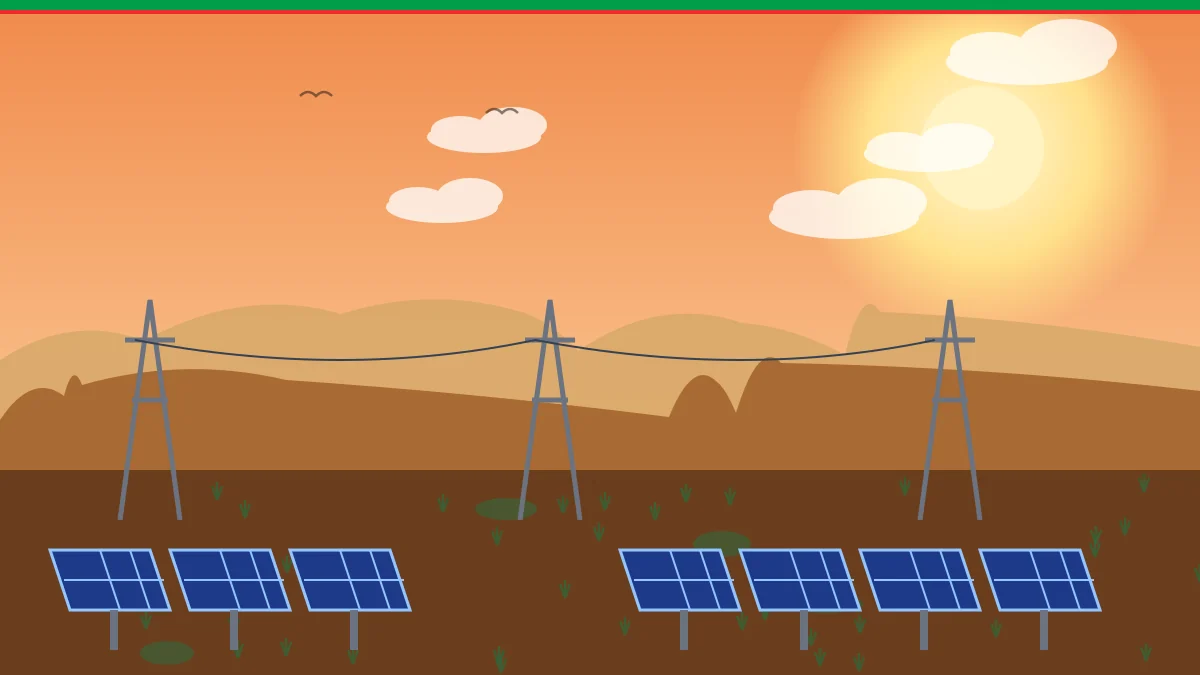
The two reforms reinforce each other. Higher grid tariffs make off-grid solar more competitive, and off-grid growth relieves pressure on the grid to expand into areas where it cannot recover its costs.
What It Means for Business
The consequence for grid users is likely higher electricity prices over time, especially for larger consumers. Businesses should plan for tariff increases and look at reducing consumption and generating their own power, particularly with solar.
For the energy industry, the reforms open markets. Off-grid solar companies can expand pay-as-you-go sales to households and small enterprises. Mini-grid developers can serve villages, markets and agro-processing sites. Independent power producers can build solar plants and sell to a utility in better financial health.
Mobile-money operators and lenders that finance pay-as-you-go systems benefit as the off-grid market grows.
Protecting the Poor From Higher Tariffs
Moving toward cost-reflective tariffs raises the question of affordability. Poor households that use small amounts of electricity for lighting and phone charging could struggle with higher prices. A common solution is a lifeline or social tariff, which keeps prices low for the first block of consumption while charging more for higher usage.
That protects poor households while ensuring larger consumers, including businesses and better-off households, pay closer to the real cost. It also encourages efficient use of electricity.
Gradual increases, announced in advance, give households and businesses time to adjust. Combining tariff reform with improvements in reliability makes higher prices easier to accept, because customers see better service in return.
The Business of Off-Grid Power
Off-grid solar has become a significant industry in Africa. Companies sell solar home systems, ranging from small lighting kits to larger systems that power televisions, fridges and small appliances, on pay-as-you-go terms. Customers make a down payment and then pay small amounts through mobile money, and the system is remotely switched off if payments stop.
Mini-grids serve entire villages or towns with solar generation, batteries and local distribution networks. They can power homes, shops, mills, workshops and irrigation pumps, supporting productive activities.
In Burkina Faso, insecurity and low incomes make the off-grid market challenging, but demand is large because so many people lack grid access. Results-based financing, subsidies and concessional loans from development partners help make off-grid projects viable.
For entrepreneurs and investors, off-grid power offers a way to reach customers the grid cannot, and to support businesses that need power to grow. The combination of tariff reform and off-grid expansion could transform access to electricity across the country.
Reform also requires the utility to improve its own performance. Reducing losses in the network, collecting bills more effectively and improving reliability make it easier to justify higher tariffs and attract investment. Customers are more willing to pay when they receive better service. Progress on these fronts will be as important as tariff changes in the sector's turnaround.
Plan for Real Prices, Build Off-Grid
The decisive point is that Burkina Faso's power sector is moving toward prices that reflect costs and toward solar beyond the grid. Grid-connected businesses should prepare for higher tariffs by investing in efficiency and on-site solar.
Energy investors should look at off-grid and mini-grid markets, which are where access will grow fastest. Getting prices right is how Burkina Faso can afford to spread power further.