Tourism in The Gambia has come back strongly from the pandemic. The World Bank's Circular Economy Diagnostic for The Gambia reported 206,836 international tourist arrivals in 2023. That was 13% above 2022 and twice the level of 2021.
For hotels, restaurants, tour operators and their suppliers, that is good news, but the recovery has a narrow shape.
A Fast Recovery
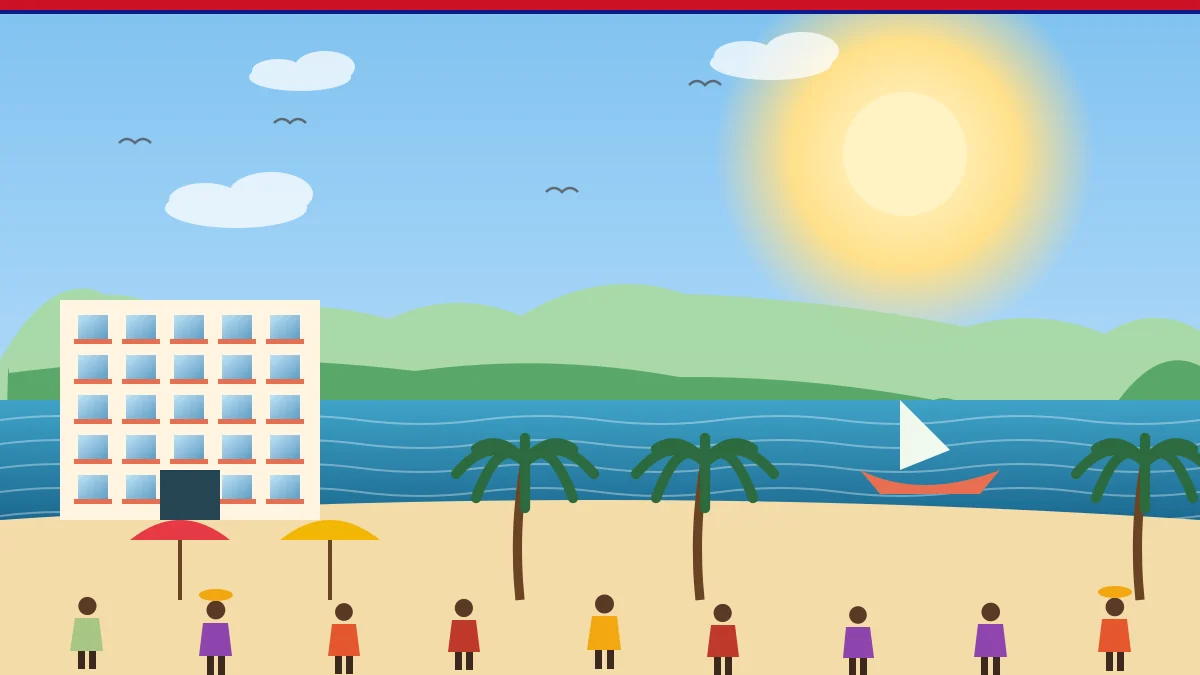
The ground is a tourism industry built around winter sun. The Gambia's Atlantic coast, especially around Kololi, Kotu and the Senegambia strip, draws visitors seeking warm weather in the northern winter. European markets, particularly the United Kingdom and northern Europe, supply most visitors, mainly through package tours and charter flights.
The pandemic shut this down in 2020 and much of 2021. As travel resumed, arrivals climbed quickly, doubling from 2021 to 2023. Diaspora visitors, regional travellers and conference visitors added to the leisure market.
Why the Recovery Is Concentrated
The mechanism behind both the rebound and its limits is the package model. A large share of visitors arrive on charter flights arranged by international tour operators, stay in coastal hotels and travel during a winter season running roughly from October to April. Operators decide how many seats to fly and which hotels to fill, so they strongly influence arrivals.
That brings volume quickly when demand returns, as it did after the pandemic. But it also concentrates tourism in a few source markets, a short season and a small stretch of coast. In the summer rainy season, many hotels run at low occupancy or close, and workers are laid off. A change in an operator's plans can reduce arrivals sharply.
What It Means for Business
The consequence for businesses is strong demand in season and weak demand out of it. Hotels, restaurants, craft markets, excursion operators and transport providers earn most of their revenue in a few months. Suppliers of food, drinks, laundry and maintenance follow the same cycle.
The opportunities lie in widening the base. Eco-tourism along the River Gambia, birdwatching, cultural and heritage tourism, diaspora travel, conferences and regional visitors can bring guests in other months and to other parts of the country. Direct sales to independent travellers reduce dependence on large operators.
Rising arrivals also support investment in better accommodation, food supply and services, provided quality improves alongside numbers.
The Source Markets
The Gambia's visitors come mainly from Europe, especially the United Kingdom, the Netherlands, Belgium, Germany and the Nordic countries. Many travel on charter flights arranged by tour operators for the winter season. Visitors from the region, including Senegal and Nigeria, and members of the Gambian diaspora returning home add to the totals, particularly around holidays and family events.
That concentration in a few European markets makes the sector sensitive to economic conditions and travel trends in those countries. A recession in the UK, a change in airline routes or a shift in tour operator strategy can affect arrivals quickly.
Diversifying source markets, by attracting more visitors from other parts of Europe, North America, the region and the diaspora, would reduce that exposure.
Capacity and Quality
Rising arrivals put pressure on capacity and quality. Hotels need to maintain and upgrade rooms, restaurants and facilities to meet the expectations of visitors and tour operators. Roads, water, electricity and waste management in tourist areas need to keep up with demand.
Staff skills are a constraint. Hospitality requires trained staff in kitchens, front desks, housekeeping and management, and training institutions need to produce enough of them.
For investors, rising demand creates opportunities in new accommodation, especially in quality mid-range and boutique segments, and in attractions and experiences beyond the beach. Suppliers of food, furniture, linen, equipment and services to hotels benefit as the sector grows. Infrastructure improvements in tourist areas, including reliable power and water, make investment more viable. The recovery has brought the visitors back. Investment in capacity and quality will decide whether they keep coming.
Domestic and diaspora visitors are also a growing market. Gambians abroad return in large numbers for holidays, weddings and religious festivals, often outside the European winter peak. Gambians living in the country, especially in the Greater Banjul area, increasingly spend weekends at beach resorts, restaurants and events. Serving these visitors helps operators fill rooms and tables when international arrivals are lower. Operators that price and package for these local and diaspora guests can smooth their year considerably.
Grow Beyond the Season
The decisive point is that The Gambia's tourism recovery is real but concentrated. Operators should use the strong winter season to invest in products that draw visitors at other times and to other areas.
Hotels should build direct booking channels and target diaspora, regional and business travellers. Suppliers should plan cash flow around the season. Doubling arrivals is an achievement. Spreading them across the year is the next one.